

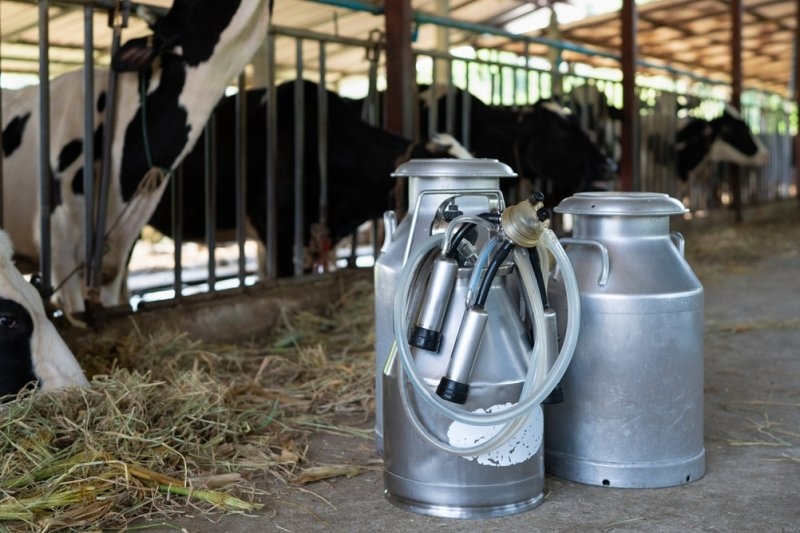
Your dairy farm life revolves around the everyday activities of caring for the animals, maintaining the milk machines, and bottling the milk.
A fire, a breakdown of equipment, injuries, or illnesses can throw a small farm into disarray, and costly repairs, replacements, or other losses can have a financial impact. That's where dairy farm insurance coverage can make all the difference. This is your guide to how to insure a dairy farm in the United States.
It's a bundle of policies for insuring a milk-producing farmstead, herd, employees, and production. Coverages for buildings and farm structures, farm equipment, inventory, livestock, and milk may also be included in dairy farm insurance, in addition to property.
One event can have a huge effect on the operation. For example, a barn fire could destroy equipment, kill your cows, and suspend the operation. The right dairy farm insurance can reduce the financial impact of covered events and have you on your feet again without risking the farm as a whole.
Dairy farm insurance will not always cover all of the losses you may face. The coverage provided for dairy farm insurance will depend upon the policies you purchase and what those policies exclude. Farms will typically require several policies to cover property, liability, livestock, equipment, and employees rather than one.
Eligible dairy farms' insured barns, milking parlours, feed buildings, milk coolers, and other structures will be covered for damage from fire, windstorm, or storm with some policy exclusions. Tools, feed, and other stored items may or may not be covered by insurance.
Ensure your buildings are covered for replacement cost instead of cash value. Replacement cost is intended for rebuilding or replacing covered property, while actual cash value will have depreciation deducted. Check that the limits of coverage are adequate to rebuild at current construction costs.
Cattle Livestock Protection can offer coverage when insured cattle die or are lost for covered reasons. Coverage may be available for a single high-value animal, a group of cattle, or individual specified livestock hazards, depending on the policy.
But will dairy farm insurance pay for loss of livestock in all cases? Not necessarily. Some illnesses, accidents, theft, and other issues may be covered only by specific policies or endorsements. Routine illnesses, elimination losses, and other excluded conditions may not be covered. Enquire with your insurance agent about how animal deaths are paid for.
Dairy farm equipment insurance. This coverage will protect your most valuable piece of farm equipment – your equipment. It covers items such as milk harvesting equipment, tractors, feed mixer waggons, milk cooling equipment, and refrigeration equipment.
Enquire about equipment breakdown coverage. Some policies can provide coverage for specific sudden electrical or mechanical failures. Regular property insurance policies will not cover all internal breakdowns, regular breakdowns, or worn parts.
Dairy farm liability insurance provides coverage for some, but not all, bodily injury and property damage liabilities, as well as some covered legal expenses, that can result from your farm operations. An example would include: A guest was injured while visiting your property.
What liability insurance does a dairy farmer need? The level of protection required depends upon your business operations. Farm liability policies can provide protection for more common third-party insurance claims; however, if you process, package, or sell your dairy products directly, product liability coverage or other specialised coverage may be more appropriate.
Determining the insurance coverage a dairy farm requires begins with identifying which threats have the potential to do the most financial harm. A small family farm and a large commercial dairy might have different policy limits and a variety of coverages.
Here are some typical choices as you set up insurance for dairy farm operations:
The first step to insuring a dairy farm in the US is to check state requirements, lender restrictions, employee needs, and the risks inherent to your operation. A crop insurance professional can assist you in pinpointing the gaps and overlaps among your policies and those exposures relevant to your operation.
The cost of dairy farm insurance depends on the farm size and value, number of animals, type and value of buildings, equipment, location, claims history, deductible, and limits. Larger dairy farms or those with more expensive equipment will generally cost more.
No, but there is no one-size-fits-all average price for all farms. To compare the cost of dairy farm insurance, get quotes using the real value of your property and your business, instead of a generic online estimate. Go through the premiums, as well as coverage limits, exclusions, deductibles, and claim settlement.
Control costs by conducting buildings and machinery inventory, implementing good livestock safety practices, keeping records of equipment values, and reviewing coverage annually. Increasing the deductible can lower the premium, but ensure that you could pay that amount out of pocket in a loss situation.
Selecting the right insurance for your dairy farming business means not always opting for the cheapest premiums. Your coverage should match the risks that could disrupt your milk yield, cause costly damage to your property, or incur crippling legal costs.
Begin by assembling a list of the buildings, animals, equipment, trucks, feed, and other valuables. Determine the cost to replace those items, look at employee needs, and try to determine what your financial picture might look like if production ceased for a couple of months.
Now, consider price quotes from insurers that have expertise with agricultural businesses. Enquire if there are any covers for power outage, equipment breakdown, contamination, disease, and business interruption. Make sure your dairy farm insurance coverage insures for owned and rented property and whether or not your herd and building limits are sufficient to meet the needs of your herd and your facility.
A hearty herd, solid equipment, secure facilities, and steady production are what every dairy farm runs on. Dairy farm insurance will have your back with dollar-saving surprises and peace of mind.
Evaluate your policy choices for property, liability, animals, equipment, and employees. Collaborate with your agent and examine coverage choices each year to develop an insurance programme that fits your finances.
Yes, but who is covered depends on the lease, and coverage may be held by the insurance policy. The tenant may have coverage for personal property, equipment, and liability, and the property owner for the building. Read the responsibilities for your property and liability coverage before applying.
For example, if certain events are insured, such as freezing or power outages, spoilage of milk may be insured if your policy covers those particular events. Not all spoilage losses are covered by your property insurance, so ask to review the policy wording.
Yes. A previous claim won't automatically preclude a dairy farm from coverage. Insurers will generally evaluate the cause of the claim, how many claims there have been, and the amount of loss to determine whether they will provide coverage and what premiums or deductibles are appropriate.
Farm operations that allow school groups, customers, or tourists may want to talk to an insurance agent about visitor liability coverage. Farm policies often have restrictions in place for these kinds of public activities and may require a special endorsement or coverage.
Review your policy annually and whenever you add animals, construct new buildings, acquire more expensive equipment, employ additional workers, or offer new services. An annual review is also important to make sure your coverage covers the farm's current value.
This content was created by AI