

Keeping your tools and machinery safe can feel like a full-time job, especially when you’re juggling long workdays, unpredictable weather, and tight schedules. Every farmer knows that equipment isn’t cheap, and losing even one piece can throw off the whole rhythm of the farm.
This guide walks you through how farm equipment protection really works, what small changes can strengthen your defenses, and why a mix of machinery theft prevention, equipment security tips, and even simple farm surveillance can bring extra peace of mind. Think of it as a friendly, practical roadmap that keeps your tools where they belong.
Sometimes, protecting your tools is more about layering small, thoughtful steps than relying on one big solution. Think about how you’d protect your home; you don’t depend only on a door lock. Your farm deserves that same multi-step mindset.
Every farm tool plays its own part. A missing tractor or sprayer doesn’t just mean financial loss; it disrupts your work, slows your harvest, and forces you to reshuffle everything. When you recognize the real cost, it becomes easier to take security seriously.
You might already have certain habits in place: parking equipment close to the house, storing smaller tools in sheds, or locking up parts overnight. But habits grow outdated. Spend a moment checking if your current routine still makes sense.
Some machines simply attract more unwanted attention. Quads, generators, attachments, you can move quickly, even diesel tanks. By focusing on these first, you strengthen the spots thieves usually look at.
Before you think about high-tech solutions, consider the simple truth: thieves target easy wins. When your property looks secure, they usually move on.
A stubborn machine is one nobody wants to steal. Wheel locks, steering locks, hitch locks, and ground anchors slow thieves down. Even chaining equipment together helps. It might look old-fashioned, but it works.
Think about adding fuel shutoff switches or hidden kill switches. They’re inexpensive but frustrating for anyone trying to start a machine without permission. The more friction you create, the less appealing your equipment becomes.
Parking tractors and attachments out in the open makes them easy targets. Tuck them behind barns or fences and add locked gates. Even natural barriers like trees or berms make a difference.
Serial numbers get checked, but thieves try to remove them. Engraving your name, stamping ID numbers in hidden spots, or even painting unique markings on equipment makes stolen tools harder to resell. Many farmers use a bright color stripe on their machinery for this reason.
Security doesn’t have to feel complicated. Sometimes, it comes down to noticing little details that are easy to overlook when you’re busy.
You may be used to putting certain equipment away at specific times. But if a stranger watched your routine for a few days, would it be predictable? Try breaking the pattern occasionally.
It’s tempting to leave keys in the ignition when you're moving from machine to machine. Lots of farmers do it. But that habit makes theft incredibly easy. Use magnetic key holders, separate key boxes, or even coded cabinets inside your home.
Motion lights around barns and sheds don’t just brighten the area; they send a message. Thieves hate visibility. Solar floodlights, especially those with wide-angle sensors, are inexpensive and effective.
A messy yard gives away clues. Tools left out, doors halfway closed, or ladders leaning against walls invite trouble. When your workspace looks tidy, it silently signals order and awareness.
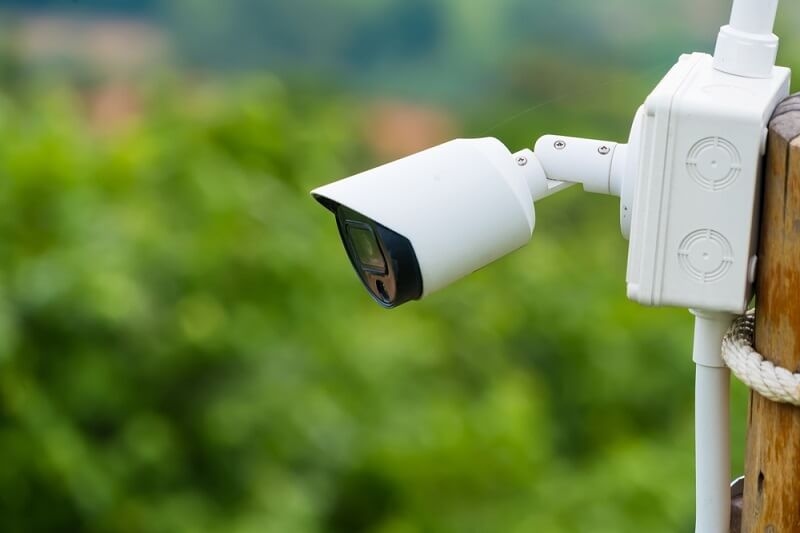
Surveillance doesn’t have to feel intrusive. These systems give you an extra set of eyes when you’re asleep, out in the field, or miles away hauling feed.
A camera in the right spot can deter trouble before it happens. When someone sees that little blinking light, they think twice. Today’s cameras can send alerts straight to your phone, record in the dark, and store footage safely.
Place cameras where a person must pass if they enter your property. Gates, driveways, and equipment storage sheds are the first places to consider. If you have long fields or remote storage areas, add a camera with a wide viewing angle.
Receiving instant alerts helps you act quickly. Whether it’s movement after midnight or a truck pulling into the driveway unexpectedly, real-time notifications give you the upper hand.
When you’re dealing with big-ticket equipment, every extra step counts. These machines have resale value, and thieves know that.
Many farmers now install small GPS units on tractors, ATVs, and expensive attachments. They're surprisingly affordable and incredibly helpful if something goes missing. You can hide them in toolboxes, under seats, or inside panels.
Store purchase papers, serial numbers, and model information safely indoors. If something’s stolen, you’ll need those records for insurance claims and police reports. A basic filing system does wonders.
If you’re storing equipment for winter or between seasons, disconnect the battery. It slows down thieves and also protects the machinery. A dead machine takes more time and effort to move.
Rules aren’t enough if people don’t follow them. Whether it’s a big family farm or a small personal property, everyone needs to be on board. A quick chat goes a long way. Explain where keys should go, what needs locking, and what to report.
When everyone works together, gaps disappear. Farm communities run on trust. When neighbors keep an eye out for unusual vehicles or strangers wandering onto property lines, everyone benefits. A small heads-up can prevent big losses.
Farm equipment protection isn’t complicated; it’s layered. A mix of common sense, security habits, well-placed lighting, sturdy locks, and a good farm surveillance setup can bring you the peace of mind every farmer deserves. Whether you grow corn in Iowa or run a ranch in Texas, these strategies help safeguard your tools and keep your operation running smoothly. And when your tools feel safe, you work with a little more confidence every day.
Keep equipment locked, add lighting, mark your tools, and store machines out of sight. Combining these steps makes your farm less appealing to thieves.
Yes, they help you find stolen tools quickly and often assist police in recovering high-value machinery.
Most thieves avoid properties with visible cameras. Surveillance adds a layer of accountability that discourages trouble.
Report it immediately, share serial numbers, and check nearby roads or fields. Fast action increases the chance of recovery.
This content was created by AI